Lavender Honey Spring Cake
Highlighted under: Pastry Kitchen
Ever find yourself wanting a taste of spring in your dessert? That's exactly how I felt when I decided to make this Lavender Honey Spring Cake. I love how the light floral notes from the lavender blend with the sweetness of honey, bringing a hint of warmth while still feeling refreshing. It’s a simple recipe that doesn’t take a ton of ingredients, you might even have everything on hand already. Plus, there's just something delightful about the colors and aroma that fills the kitchen while it bakes.
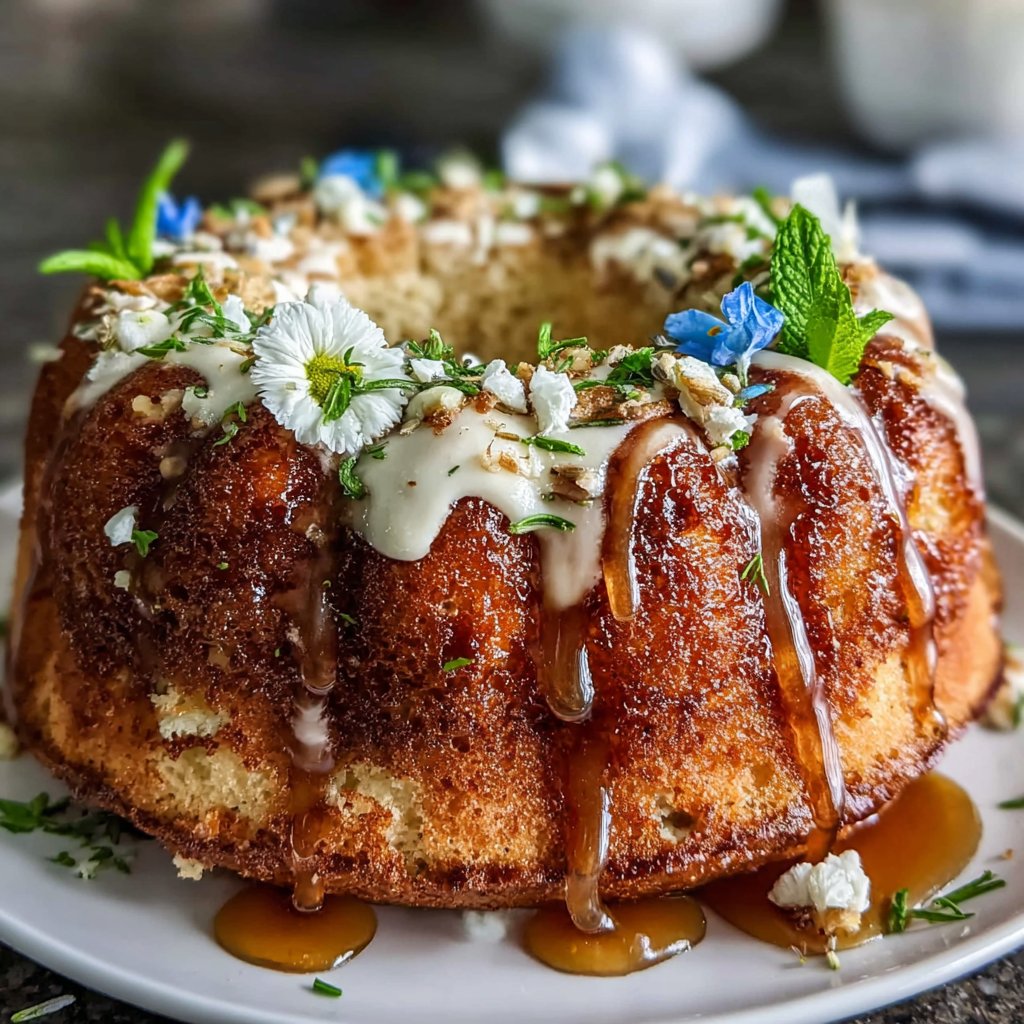
I've made this Lavender Honey Spring Cake more times than I can count, and it feels like each time there's something special about it. Last Easter, I made it for dessert, and I heard comments like, 'This tastes like spring!' from my family. Honestly, you can't go wrong with something that smells so good and looks so pretty.
A tip I learned through trial and error is to only use food-grade lavender. The store-bought flower can sometimes be too strong in flavor. I used some fresh lavender from a local farmer's market last time, and wow, it made a huge difference! It really brightened the whole cake and paired beautifully with the honey.
What Makes This Stand Out
- The floral notes make it feel like spring on a plate
- It’s surprisingly easy, even for beginner bakers
- Honey gives it a unique sweetness you won’t get from sugar
- The icing is simple but feels fancy
Key Technique for Lavender Honey Spring Cake
One of the key techniques here is the creaming of the butter and sugar. This step is crucial as it helps to incorporate air into the batter, which gives the cake its light texture. Make sure to really beat them together until it's fluffy and pale, usually about 3-4 minutes. If you find it hard to whip the butter smooth, try letting it sit at room temperature for a bit longer before mixing.
When you mix the dry and wet ingredients, do it slowly. Adding them alternately helps maintain the batter's fluffiness. The rule of thumb is to start and end with the flour to avoid overmixing. Honestly, I sometimes forget and just throw everything in. It still turns out pretty well most of the time, but I can tell the difference in texture.
Swaps & Substitutions
If you don’t have edible lavender on hand, I’ve had success with using a bit of orange zest instead. It gives a nice citrusy touch that harmonizes beautifully with the honey. For the butter, any unsalted brand will do if you’re not using Kerrygold, but I can swear by the extra creaminess of Kerrygold for this cake.
In case you’re out of milk, you can use any dairy alternative you prefer, although it may slightly alter the texture. Almond milk or oat milk works pretty well, just keep an eye on the batter consistency as you might need a little less or more.
Ingredients
Gather these simple ingredients to get started:
For the Cake
- 1 ½ cups all-purpose flour
- 1 cup granulated sugar
- ½ cup unsalted butter, softened (I typically use Kerrygold)
- 2 teaspoons baking powder
- ¼ teaspoon salt
- 3 large eggs
- ¼ cup honey
- 2 tablespoons edible lavender, dried
- ½ cup milk
For the Icing
- 1 cup powdered sugar
- 2 tablespoons honey
- 1 tablespoon lemon juice
- 1 tablespoon milk
That’s it! Let’s get baking.
Instructions
Follow these straightforward steps to make your cake:
Preheat the Oven
Start by preheating your oven to 350°F (175°C). Grease and flour an 8-inch round cake pan so it doesn’t stick later.
Mix the Dry Ingredients
In a medium bowl, whisk together the flour, baking powder, and salt. Just make sure there are no clumps - I like to sift it sometimes.
Cream the Butter and Sugar
In a large bowl, beat the butter and sugar together until it's light and fluffy, about 3-4 minutes. You can use a hand mixer or stand mixer for this, just keep mixing until it gets nicely airy.
Add the Eggs and Honey
Add in the eggs one at a time, making sure they're fully incorporated before adding the next one. Then mix in the honey and lavender. Honestly, this part makes your kitchen smell amazing.
Combine Wet and Dry Ingredients
Gradually add the flour mixture to the butter mixture, alternating with the milk. Start and end with the flour, which helps keep the batter from getting tough. I usually just stir until it's mixed - don't overdo it here.
Bake the Cake
Pour the batter into the prepared pan and smooth it out. Bake for 25-30 minutes, until a toothpick inserted into the center comes out clean. Let it cool in the pan for a bit before turning it onto a wire rack.
Make the Icing
While the cake cools, make the icing. In a small bowl, whisk together the powdered sugar, honey, lemon juice, and milk until smooth. Adjust the thickness by adding more milk or sugar as needed.
Ice the Cake
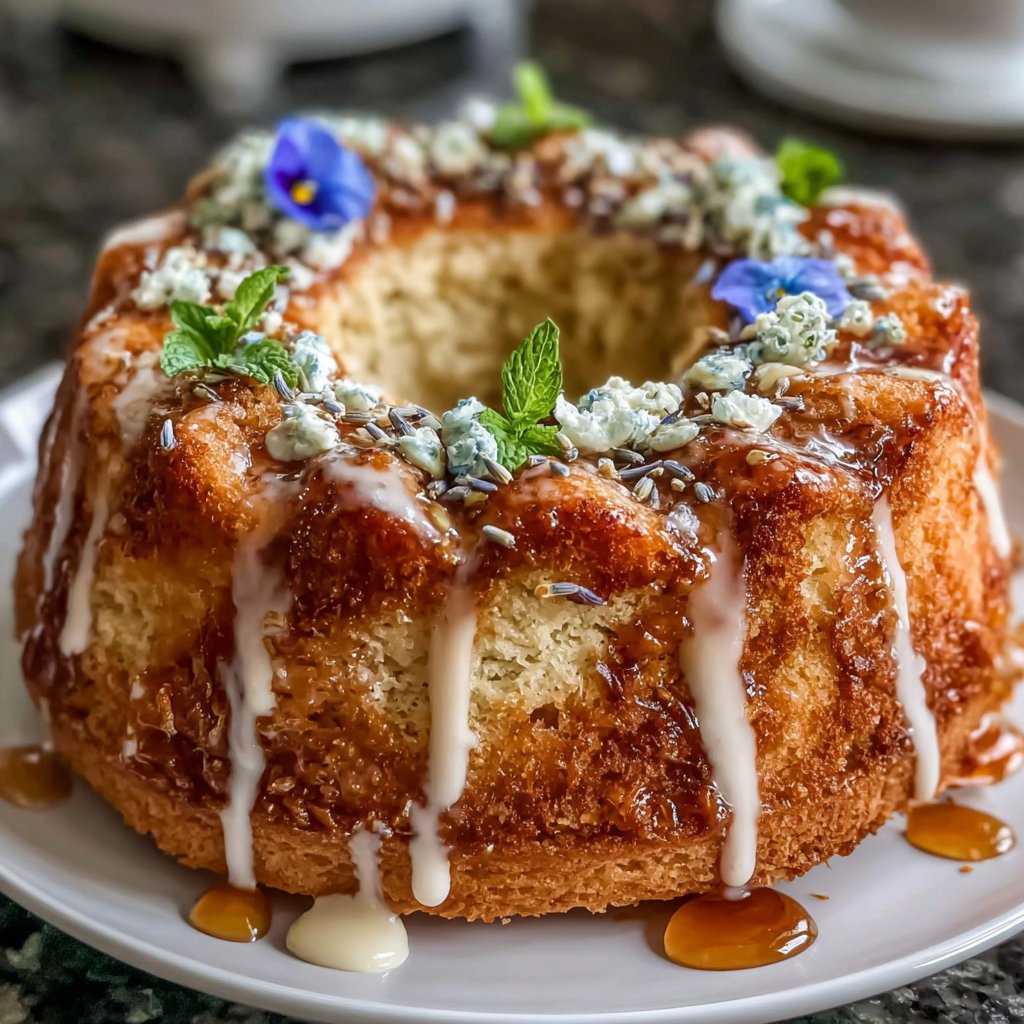
Once the cake is completely cool, spread the icing over the top. If you want, sprinkle a few more lavender flowers on top for a pretty finish.
And there you have it! A lovely cake to enjoy with a cup of tea.
Pro Tips
- If you can't find edible lavender, you can skip it and add lemon zest instead for a fresh twist.
- A dollop of whipped cream on the side wouldn’t hurt, right?
- Make sure your eggs are room temperature for better mixing.
- You can store the cake in an airtight container for up to 3 days, but we all know it won't last that long!
Troubleshooting
If your cake doesn’t rise, it might be a sign that your baking powder is past its prime. Make sure to check the expiration date next time. If it seems too dense, you might have overmixed after adding the flour. I’ve made that mistake more than once and it's just not the same light cake.
Another common hiccup is the icing. If it’s too thick, add extra milk a teaspoon at a time. If it’s too runny, gradually mix in more powdered sugar until it's spreadable but still has a nice glossy finish. Don't stress too much, this icing is forgiving!
Lavender Honey Spring Cake Variations Worth Trying
For a twist, consider adding lemon zest to the cake batter or icing. The citrus complements the honey and lavender beautifully and brightens the cake even more. I've tried this a few times, and it’s a delightful change that adds freshness.
If you're feeling adventurous, you can also incorporate some finely chopped nuts, like walnuts or almonds, into the batter for added texture. Just keep in mind that it may change the baking time slightly, so do a toothpick test before pulling it out of the oven.
Questions About Recipes
→ Can I use fresh lavender?
You can, but make sure it’s food-grade! Fresh lavender can be a bit stronger, so start with a smaller amount.
→ What can I substitute for honey?
If you need an alternative, agave syrup works well too, but it might change the taste a bit.
→ Is this cake gluten-free?
Sadly, I wouldn’t recommend it as-is, but you could try using a gluten-free flour blend.
→ Can I make this cake ahead of time?
Absolutely! Just keep it covered in a cool place, or freeze it if you want to save it for later. Just hold off on icing until you’re ready to serve.
→ How do I make it dairy-free?
You can swap the butter with a dairy-free alternative and use almond milk instead of regular milk without any issues.
Lavender Honey Spring Cake
Created by: The Chefemilycooks Team
Recipe Type: Pastry Kitchen
Skill Level: Intermediate
Final Quantity: 8.0
What You'll Need
For the Cake
- 1 ½ cups all-purpose flour
- 1 cup granulated sugar
- ½ cup unsalted butter, softened (I typically use Kerrygold)
- 2 teaspoons baking powder
- ¼ teaspoon salt
- 3 large eggs
- ¼ cup honey
- 2 tablespoons edible lavender, dried
- ½ cup milk
For the Icing
- 1 cup powdered sugar
- 2 tablespoons honey
- 1 tablespoon lemon juice
- 1 tablespoon milk
How-To Steps
Start by preheating your oven to 350°F (175°C). Grease and flour an 8-inch round cake pan so it doesn’t stick later.
In a medium bowl, whisk together the flour, baking powder, and salt. Just make sure there are no clumps - I like to sift it sometimes.
In a large bowl, beat the butter and sugar together until it's light and fluffy, about 3-4 minutes. You can use a hand mixer or stand mixer for this, just keep mixing until it gets nicely airy.
Add in the eggs one at a time, making sure they're fully incorporated before adding the next one. Then mix in the honey and lavender. Honestly, this part makes your kitchen smell amazing.
Gradually add the flour mixture to the butter mixture, alternating with the milk. Start and end with the flour, which helps keep the batter from getting tough. I usually just stir until it's mixed - don't overdo it here.
Pour the batter into the prepared pan and smooth it out. Bake for 25-30 minutes, until a toothpick inserted into the center comes out clean. Let it cool in the pan for a bit before turning it onto a wire rack.
While the cake cools, make the icing. In a small bowl, whisk together the powdered sugar, honey, lemon juice, and milk until smooth. Adjust the thickness by adding more milk or sugar as needed.
Once the cake is completely cool, spread the icing over the top. If you want, sprinkle a few more lavender flowers on top for a pretty finish.
Extra Tips
- If you can't find edible lavender, you can skip it and add lemon zest instead for a fresh twist.
- A dollop of whipped cream on the side wouldn’t hurt, right?
- Make sure your eggs are room temperature for better mixing.
- You can store the cake in an airtight container for up to 3 days, but we all know it won't last that long!
Nutritional Breakdown (Per Serving)
- Calories (kcal): 254 kcal
- Total Fat (g): 11.2g
- Saturated Fat (g): 6.9g
- Cholesterol (mg): 65mg
- Sodium (mg): 157mg
- Total Carbohydrates (g): 36.7g
- Dietary Fiber (g): 0.7g
- Sugars (g): 18.9g
- Protein (g): 3.5g