Global Japanese Sushi Rolls
Highlighted under: Thai Flavors
I love making sushi at home, and these Global Japanese Sushi Rolls are a delightful combination of flavors and textures that always impress my family and friends. When I first attempted to roll sushi, I never expected it to be so rewarding! With fresh ingredients and a dash of creativity, I’ve managed to transform a traditional dish into something genuinely unique. Plus, the satisfaction of rolling the perfect sushi and sharing it with others makes it even better. Let's dive into this fun culinary adventure together!
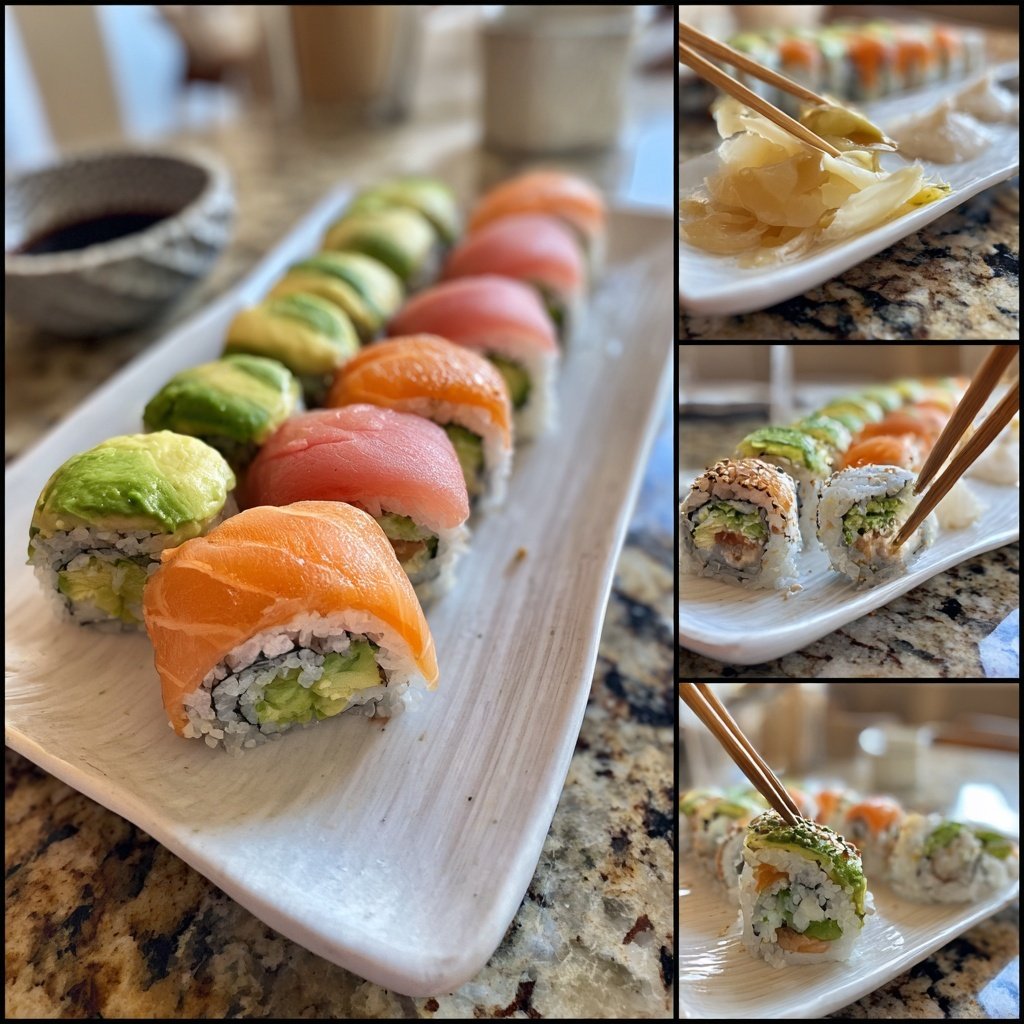
While experimenting with sushi, I discovered that using a variety of fresh vegetables, seafood, and even fruits can create exciting combinations that tantalize the tastebuds. One of my favorite rolls includes avocado and mango, which adds a creamy sweetness that perfectly balances the savory elements. I've learned that the key to great sushi is ensuring all ingredients are fresh and correctly proportioned.
Additionally, I found that practicing my rolling technique with a bamboo mat has improved my sushi-making skills immensely. Don't be discouraged if your first few attempts aren't perfect; it gets easier with practice! Using high-quality sushi rice and ensuring it's sticky enough will also dramatically improve your rolls.
Why You'll Love These Rolls
- Vibrant flavors that appeal to all palates
- Customizable ingredients for a personal touch
- A fun activity to share with friends and family
Mastering the Sushi Rolling Technique
Rolling sushi can be tricky at first, but with practice, you'll develop a feel for the right amount of pressure to apply while rolling. Aim for a tight roll without crushing the nori or fillings. A bamboo mat is essential for this; it helps achieve a consistent shape. If your sushi seems loose, it might be due to too little pressure when rolling or not enough rice to hold the fillings in place. Keep practicing, and you’ll see improvements with each roll!
When rolling, ensure the fillings are properly arranged to avoid spillage. Start with a thin layer of sushi rice that covers about ¾ of the nori sheet, leaving space at the top edge to seal the roll. Placing your fillings tightly together in the center allows for a balanced bite in every piece. If you notice your nori tearing, it could be due to either overfilling or not wetting it adequately before starting the roll.
Ingredient Insights and Substitutions
The sushi rice is crucial for achieving that authentic sushi texture; it should be sticky yet firm. If you don’t have sushi rice, you can substitute with short-grain rice, but the texture won't be quite the same. For a gluten-free option, ensure the soy sauce you use is labeled gluten-free. Avocado adds creaminess, while mango brings a sweet contrast to the savory sushi; if mango is out of season, consider using roasted bell peppers or kiwi as alternatives to maintain flavor balance.
If you're vegetarian or vegan, you can replace the salmon or shrimp with marinated tofu or tempeh for a protein boost. Adding a dash of sesame oil to the tofu while marinating can add depth of flavor. For a bit of crunch, toasted sesame seeds sprinkled on top of the rolls before slicing enhances both texture and flavor. Remember, sushi is about creativity, so feel free to experiment with your favorite ingredients!
Serving Suggestions and Add-ons
These Global Japanese Sushi Rolls can be served with various dips aside from soy sauce. Try mixing soy sauce with wasabi or pickled ginger for additional flavors. A drizzle of spicy mayonnaise (a mix of mayonnaise and Sriracha) can also elevate the experience. Besides, serving sushi with a side of edamame or a fresh cucumber salad creates a balanced meal that complements the rolls nicely.
For gatherings, consider preparing a sushi platter with various rolls to entice your guests. You can make this roll ahead of time and refrigerate it for up to 24 hours. However, for the best texture, serve the sushi chilled but not too cold. If you're left with leftovers, keep them wrapped tightly in plastic wrap to retain freshness, and consume them within a day for the best quality.
Ingredients for Global Japanese Sushi Rolls
Sushi Ingredients
- 2 cups sushi rice
- 2 1/2 cups water
- 1/4 cup rice vinegar
- 2 tablespoons sugar
- 1 teaspoon salt
- 4 sheets nori (seaweed)
- 1 avocado, sliced
- 1 cucumber, julienned
- 1 mango, sliced
- 4 oz fresh salmon or cooked shrimp
- Soy sauce for dipping
Feel free to mix and match ingredients based on your preferences!
Steps to Create Global Japanese Sushi Rolls
Prepare the Sushi Rice
Rinse the sushi rice under cold water until the water runs clear. In a pot, combine the rice and water, then bring to a boil. Once boiling, lower the heat, cover, and simmer for 20 minutes. After cooking, let it sit for 10 minutes, then mix rice vinegar, sugar, and salt in a separate bowl and fold it into the rice gently.
Prepare the Ingredients
While the rice cools, slice the avocado, cucumber, and mango. If using fresh salmon, ensure it’s sushi-grade. Arrange all ingredients neatly on your workspace.
Roll the Sushi
Lay a sheet of nori on a bamboo mat and wet your hands to prevent the rice from sticking. Spread an even layer of sushi rice over the nori, leaving a small border at the top. Place your chosen fillings in a line across the center. Use the bamboo mat to roll the nori tightly, pressing gently as you go. Seal the edge with a little water.
Slice and Serve
Use a sharp knife to slice the roll into bite-sized pieces. Wipe the knife with a damp cloth between cuts to ensure clean edges. Arrange the sushi on a plate and serve with soy sauce for dipping.
Enjoy your homemade sushi with friends and family for a fun dining experience!

Pro Tips
- Experiment with different fillings like tempura vegetables or spicy tuna. Using a sharp knife to cut rolls will prevent them from squishing and maintain their shape.
Troubleshooting Common Issues
If your sushi rice is too sticky and clumps together excessively, you may have overcooked it or used too much water during cooking. Make sure to measure precisely and allow it to steam properly after cooking. To remedy sticky rice, rinse it gently under cold water after cooking to remove excess starch, but be careful not to break the grains.
If you find your sushi rolls falling apart after slicing, it could mean the rice isn't packed tightly enough. Ensure when rolling, you compress the roll gently but firmly. A damp knife can aid in slicing through without tearing; a sharp, clean blade will help achieve smooth cuts, avoiding any crumbly edges.
Make-Ahead Tips
Preparing sushi rice in advance can significantly reduce your prep time when making these rolls. Once cooked, store the rice in an airtight container at room temperature for several hours or refrigerate it for up to two days. Reheat gently in the microwave while sprinkling a few drops of water to restore moisture.
Prepping your fillings ahead of time is also a smart strategy. Slice your vegetables and fruits the day before, storing them in airtight containers to maintain freshness. However, avoid slicing avocados too early, as they brown quickly. Instead, slice them right before assembly to keep their vibrant color.
Questions About Recipes
→ Can I use other types of fish?
Absolutely! Feel free to use tuna, crab, or even cooked options like shrimp.
→ Is it necessary to have a bamboo mat?
While it makes rolling easier, you can use parchment paper if you don’t have one.
→ Can I make sushi rolls in advance?
It's best to eat sushi fresh, but you can prepare the rice and ingredients a few hours ahead of time.
→ What can I do if the rice is too dry?
If the rice seems dry, a bit of extra vinegar can help improve the texture and flavor.
Global Japanese Sushi Rolls
Created by: The Chefemilycooks Team
Recipe Type: Thai Flavors
Skill Level: Intermediate
Final Quantity: 4 rolls
What You'll Need
Sushi Ingredients
- 2 cups sushi rice
- 2 1/2 cups water
- 1/4 cup rice vinegar
- 2 tablespoons sugar
- 1 teaspoon salt
- 4 sheets nori (seaweed)
- 1 avocado, sliced
- 1 cucumber, julienned
- 1 mango, sliced
- 4 oz fresh salmon or cooked shrimp
- Soy sauce for dipping
How-To Steps
Rinse the sushi rice under cold water until the water runs clear. In a pot, combine the rice and water, then bring to a boil. Once boiling, lower the heat, cover, and simmer for 20 minutes. After cooking, let it sit for 10 minutes, then mix rice vinegar, sugar, and salt in a separate bowl and fold it into the rice gently.
While the rice cools, slice the avocado, cucumber, and mango. If using fresh salmon, ensure it’s sushi-grade. Arrange all ingredients neatly on your workspace.
Lay a sheet of nori on a bamboo mat and wet your hands to prevent the rice from sticking. Spread an even layer of sushi rice over the nori, leaving a small border at the top. Place your chosen fillings in a line across the center. Use the bamboo mat to roll the nori tightly, pressing gently as you go. Seal the edge with a little water.
Use a sharp knife to slice the roll into bite-sized pieces. Wipe the knife with a damp cloth between cuts to ensure clean edges. Arrange the sushi on a plate and serve with soy sauce for dipping.
Extra Tips
- Experiment with different fillings like tempura vegetables or spicy tuna. Using a sharp knife to cut rolls will prevent them from squishing and maintain their shape.
Nutritional Breakdown (Per Serving)
- Calories: 350 kcal
- Total Fat: 5g
- Saturated Fat: 1g
- Cholesterol: 20mg
- Sodium: 400mg
- Total Carbohydrates: 60g
- Dietary Fiber: 4g
- Sugars: 3g
- Protein: 9g